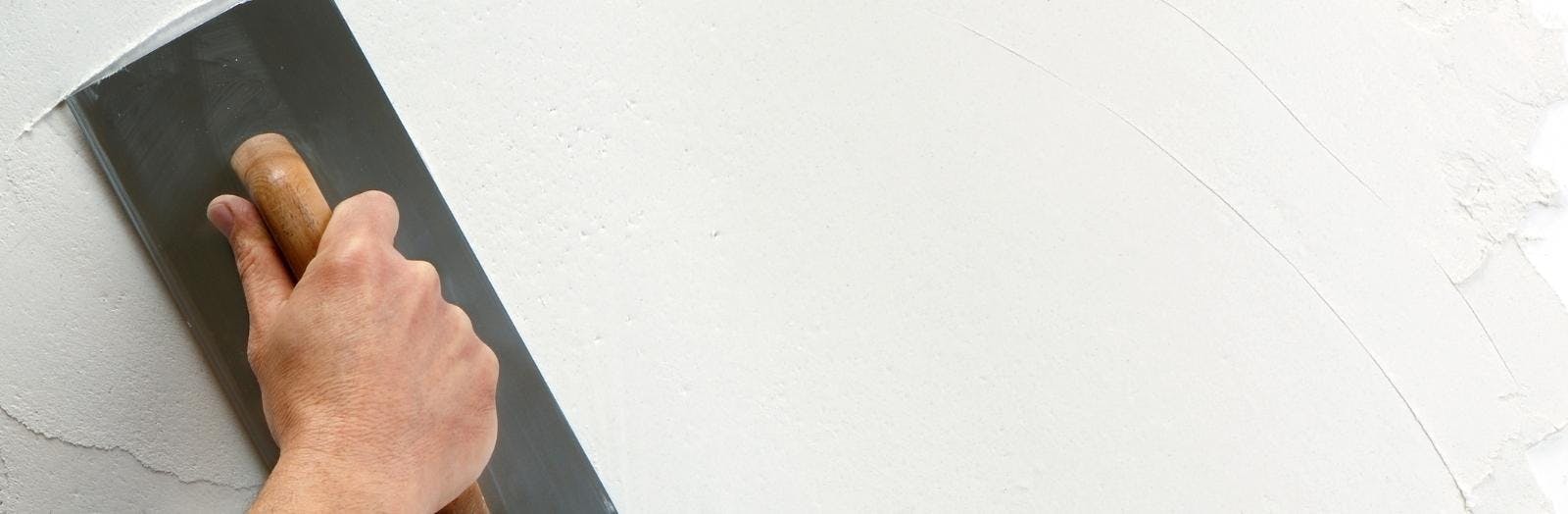
Textured ceilings used to be everywhere, but many homeowners now prefer a clean, flat finish. If your ceilings are covered in artex, you might be wondering if you can simply plaster over it safely, or if it all needs to come down. The answer is often yes, you can cover it, but only with the right checks and methods.
What artex is and why people want it gone
Artex is a textured coating that was very popular from the 1960s through to the 1990s. It was used to hide minor imperfections and add decorative swirls, stipples or peaks to ceilings and sometimes walls.
Today, those bold textures can make rooms feel darker and dated. Homeowners usually want artex flattened to modernise their space, improve light reflection and make decorating easier. A smooth ceiling also helps when fitting new lighting or coving.
Prioritising Safety: Asbestos Risks in Older Artex
The biggest safety concern with artex is that some older products contained asbestos fibres. This was more common before the late 1980s, though asbestos was not fully banned in the UK until 1999. The coating itself is not usually a problem if it is sealed and left undisturbed.
The risk increases when you scrape, sand or aggressively disturb the surface. That can release fibres into the air if asbestos is present. For this reason, you should never sand or scrape artex without knowing what is in it, and you should avoid drilling or cutting where possible.
If your home was built or textured before 2000, assume there could be asbestos until proven otherwise
Arrange an asbestos test through a qualified surveyor or testing service before any heavy prep work
Do not dry-sand artex or attempt full removal yourself without professional advice
A simple lab test on a small sample can confirm whether asbestos is present. A professional will take this sample safely. Test results then guide the safest approach, which might be overboarding, sealing and skimming, or, in some cases, specialist asbestos removal. Guidance here is general only – always follow local regulations and the advice of licensed asbestos professionals.
Main ways to plaster over artex ceilings
Once safety is checked and you know the condition of your ceiling, there are two main ways to get a smooth finish. The best choice depends on how heavy the texture is, how sound the existing coating is, and your budget and ceiling height.
Overboarding and skimming
Overboarding involves fixing new plasterboard sheets directly over the existing artex ceiling, then skimming the new boards. It is often the neatest, most reliable option, especially where the texture is very deep or the ceiling is uneven.
The artex is left in place and encapsulated behind the new boards, which is useful if asbestos is present but undisturbed. A competent tradesperson will locate joists, fix boards securely, tape the joints and finish with a skim coat. You will lose a little ceiling height, but you gain a flat, fresh surface and can often improve sound insulation at the same time.
Skimming or bonding directly over artex
If the artex is sound, not too heavily textured and tested as safe to work over, it may be possible to flatten it without new boards. For gentle textures, a good bonding agent followed by a couple of tight skim coats often does the job.
Where the pattern has sharp peaks, your plasterer might first apply a thin coat of bonding plaster to fill the low spots and knock back the texture, then skim over the top. The goal is to bury the pattern without putting so much weight on the old coating that it starts to pull away from the ceiling underneath.

Preparation checklist for safer, better results
Good preparation makes the difference between a ceiling that looks great for years and one that starts to crack or peel. Before any skimming work, it is wise to run through a simple checklist.
Inspect for loose areas: Tap and gently press the artex to check for hollow or flaking patches that suggest poor adhesion.
Look for stains or water damage: Any leaks must be fixed and stained areas sealed before plastering.
Use appropriate bonding agents: A quality primer or bonding coat helps new plaster grip the old surface.
Add mesh where needed: Fibreglass mesh or scrim tape can reinforce cracks and joints.
Manage dust and protection: Sheet up floors and furniture, seal doorways where possible and use extraction to limit dust.
If asbestos has been identified, the prep process needs to be adjusted. That typically means avoiding sanding, minimising disturbance and sometimes choosing overboarding to encapsulate rather than work directly on the textured layer.
What can go wrong if artex is not treated correctly
Plastering over artex might look simple online, but there are several pitfalls if it is rushed. One common issue is cracking, which can appear along weak joints or where different materials meet. This often happens when movement in the ceiling has not been allowed for or properly reinforced.
Another problem is delamination, where the new plaster pulls the old artex away from the ceiling. You might see areas bulging or even dropping off. This is usually a sign that the original coating was loose, or too thick a coat was applied without proper bonding.
Homeowners are also often disappointed by ghosting. This is where the old pattern shows faintly through the new finish, especially under strong light or after painting. It tends to happen when thin, uneven skims are used over very heavy textures, or when peaks are not properly flattened before skimming.
When to handle it yourself and when to call a professional
If your artex is modern, tested asbestos free, lightly textured and in good condition, an experienced DIYer might be able to handle some preparation or painting. However, the actual skimming is a skilled job if you want a truly flat, crisp finish without trowel marks or hollows.
You should always speak to a professional plasterer, and often an asbestos specialist, if your home is older, you suspect asbestos, there are large areas of loose coating, or the ceiling has significant cracks or sagging. It is particularly important to get help if you are unsure whether overboarding or direct skimming is more suitable, or if you are planning electrical or lighting changes at the same time.
Next steps for a smooth, safe ceiling
Plastering over artex ceilings can be done safely, but only when you respect the potential asbestos risk, choose the right method and prepare the surface properly. With the right approach, you can go from dated texture to a crisp, modern finish that lifts the whole room.
If you would like expert advice on testing, overboarding or skimming your ceilings, get in touch with Newlook Artexing & coving on 07710472650. We can assess your existing ceilings, talk through the safest options and provide a clear plan to achieve the smooth finish you are after.