Choosing coving should feel exciting, not confusing. With a few simple rules about room size, ceiling height and style, you can pick a profile that looks like it has always belonged in your home.
First questions to ask before choosing coving
Before you fall in love with a particular style, it helps to look at the room itself. Coving works best when it looks in proportion to the walls and ceiling, and suits the age of the property.
Stand back and look at the space from each doorway. Think about how formal or relaxed you want the room to feel, and whether you notice the edges of the ceiling now, or if they disappear into the background.
Ceiling height: Higher ceilings can take deeper, more detailed coving; low ceilings look better with slimmer profiles.
Room size: Small rooms suit simple, clean lines; large rooms can handle bolder shapes.
House age: Period features usually pair well with traditional profiles; newer homes favour simpler designs.
Popular coving profiles explained
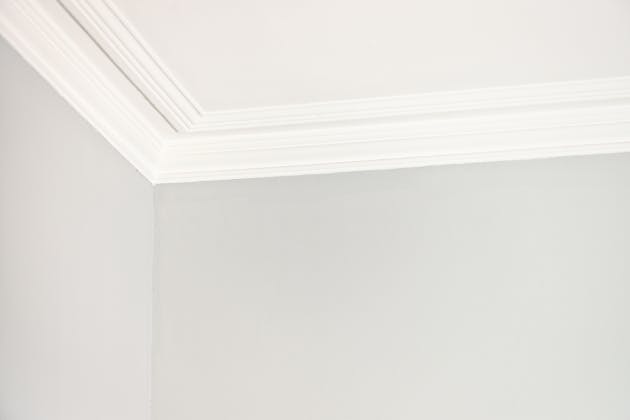
Most coving styles fall into a few key shapes. Knowing what each one does to the look of a room makes decisions much easier.
Cavetto coving: simple curved elegance
Cavetto is a smooth, concave curve running between wall and ceiling. It is one of the most versatile profiles and suits many property styles.
Because the shape is gentle, it softens the line where wall meets ceiling without shouting for attention. Cavetto works particularly well in average-height rooms where you want a tidy, finished look that will not date quickly.
Ogee coving: traditional character and detail
Ogee coving has an S-shaped profile with more definition and shadow, giving a slightly more decorative, period feel. It is ideal if you like a bit of detail but do not want anything too fussy.
This profile works well in living rooms, dining rooms and master bedrooms, especially in older houses or homes with picture rails, ceiling roses or panelled doors.
Step and modern coving: crisp contemporary lines
Step, square and other modern profiles use straight lines rather than curves. They give a sharp, architectural look that suits newer developments and minimalist interiors.
These styles tend to look best when ceilings and walls are reasonably level, as the clean lines can highlight any major unevenness. They pair nicely with spotlights, LED strips and modern skirting designs.
Edwardian and Victorian inspired profiles
These are deeper, more ornate covings, often with multiple curves, steps or small decorative details. They are designed to echo original plasterwork in older properties.
They look especially good in tall rooms with big windows, original fireplaces and ceiling roses. In the right setting they add a sense of quality and history, but in a low or very small room they can feel oversized.
Choosing coving for your ceiling height and room size
Choosing the right coving size is crucial. Large coving can overwhelm a small room, while small coving may look lost in a spacious area.
As a rough guide, rooms around 2.3 to 2.5 metres high usually suit modestly sized cavetto or gentle ogee profiles. Taller ceilings can take deeper profiles and more detail without feeling cramped.
How coving changes the feel of a room
Rounded shapes such as cavetto and ogee soften corners and can make a room feel a little more relaxed and welcoming. Squarer, stepped profiles read as more contemporary and crisp.
Deep coving can visually lower a very high ceiling and make a large room feel cosier. Slim coving helps keep lower ceilings feeling as tall and open as possible.
What tends to suit local homes in Southeast London and Kent
Homes in Southeast London and Kent have distinct styles. Choosing coving that suits your property's character creates a cohesive, polished look.
1930s semis
Many 1930s semis have generous bay windows and moderate ceiling heights. They often originally had simple plaster coving and occasionally modest ceiling roses.
Cavetto or a soft ogee usually suits these homes best. In larger front rooms you can step up to a slightly deeper profile, especially if you still have fireplaces, picture rails or leaded windows.
Post-war terraces
Post-war terraces tend to be a bit more compact, with practical, straightforward layouts. Rooms are often rectangular and ceilings fairly standard in height.
Simple cavetto or a small, modern cove works nicely here, giving definition without making the space feel smaller. Keeping profiles slim helps light travel around open-plan living and dining areas.
New-build and newer flats
Newer flats and developments around Southeast London and Kent frequently have clean-lined interiors, modern kitchens and spotlights. Original coving is often minimal or absent.
Step, square or small-profile modern coving usually feels most at home in these properties. If you prefer a softer look, a very simple cavetto in lightweight material can add character without clashing with the contemporary style.
Lighting, shadows and existing features
Coving affects how light plays across your walls and ceiling. Curved profiles throw soft, gradual shadows, while stepped and square designs cast stronger, more defined lines.
If you have ceiling roses, picture rails or ornate cornices in other rooms, aim to choose coving that feels related in scale and style. It does not have to match exactly, but it should not look like it comes from a completely different era.
Helping with uneven ceilings and walls
In older homes, ceilings and walls are often not perfectly straight. The right coving can help hide minor waviness and cracks at the wall/ceiling join.
Plaster coving can be slightly shaped on site to follow gentle curves, while lightweight coving is easier to hold in place while adhesives set. In more extreme cases, a skilled plasterer can make good surfaces before or after fitting.
Plaster vs lightweight coving materials
Traditional coving is made from plaster, which gives a solid, authentic feel and takes paint very well. It is ideal in period properties or anywhere you want a premium, original look.
Lightweight materials such as polyurethane and duropolymer are much lighter and easier to fix to ceilings, especially in flats or where access is tricky. They can be very crisp in detail and are excellent for modern stepped designs.
Both options can be filled, sanded and painted for a seamless finish. The right choice depends on the age of your home, the style you want and how much existing movement there is in your ceilings and walls.
Installation realities and what good workmanship involves
Even the nicest profile will look poor if it is badly fitted. The craft lies in the measuring, cutting and finishing, not just the sticking up.
Mitres at corners need to be accurately cut so joints close up neatly. Internal and external corners are treated differently, and out-of-square corners need careful marking and test fitting.
Once the coving is fixed, joints and edges are filled, then sanded smooth so you cannot see where one length ends and the next begins. Finally, the surrounding ceiling and walls are made good so the paint finish runs cleanly across everything.
Need help picking coving for your room?
If you are still unsure what suits your space, it can really help to get an experienced eye on it. A quick look at the ceiling height, room proportions and existing features usually points to one or two clear options.
You are welcome to share a photo of your room with Newlook Plastering for friendly, no-pressure advice on coving styles and finishes. Call Newlook Plastering on 07710472650, or get in touch through our coving service page to talk through what will work best in your home.