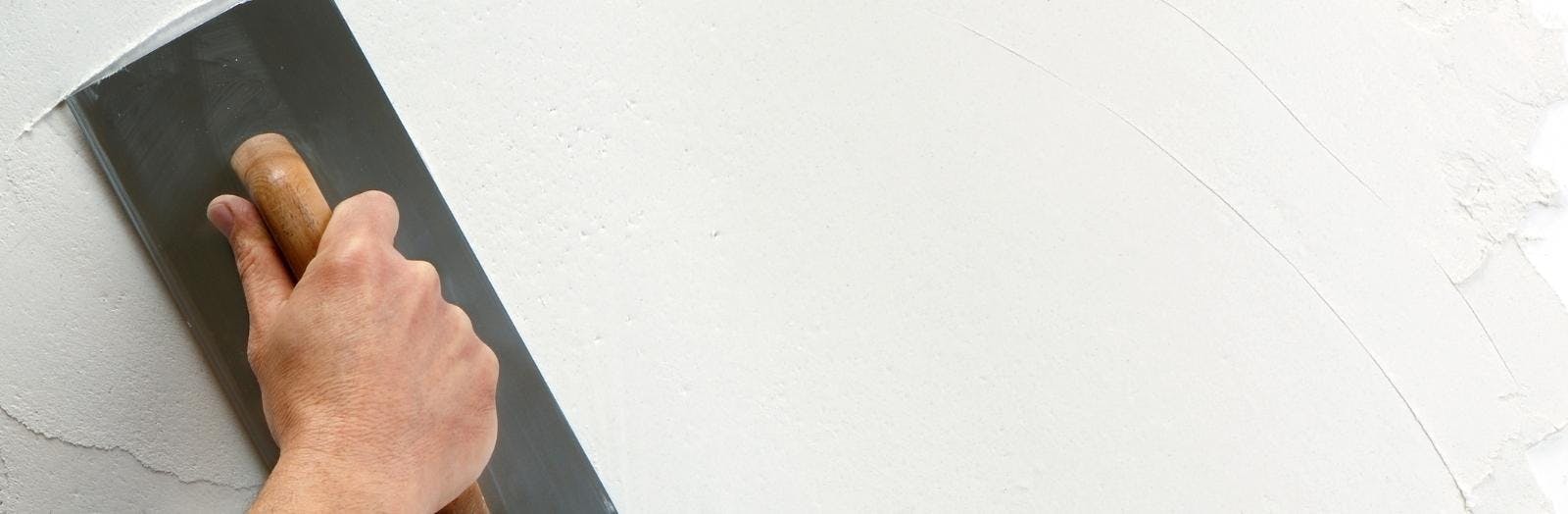
Choosing a plasterer is one of those decisions that can make your home look fantastic or leave you with bumps, cracks and endless repainting. With a bit of knowledge, you can quickly tell which tradesperson takes real pride in their work and which to avoid.
Clear signs you are dealing with a quality plasterer
Good plastering is about more than just getting some skim on the wall. A quality plasterer is methodical, explains what they are doing and leaves your home clean and ready for decorating.
Here are some of the strongest indicators that you are in safe hands:
Thorough surface preparation: They talk through how they will handle loose plaster, flaky paint, damp areas and bonding coats.
Protection of your home: Floors, furniture and adjacent rooms are sheeted, taped and protected as standard.
Attention to corners and edges: They use edge beads where required and aim for straight, crisp lines.
Consistent trowel finish: Surfaces look even from different angles, not wavy or patchy.
Crack prevention: Mesh or scrim tape is used over joints and potential movement areas.
Good preparation and protection on every job
Before any plaster goes on the wall, a professional will assess the background properly. They should check for blown plaster, previous repairs, damp staining and movement cracks, then explain which areas need hacking off, bonding out or sealing.
They will also protect your home as if it were their own. This usually means polythene or dust sheets on floors, plastic over furniture, tape around sockets and sometimes temporary protection over carpets in the route to the work area.
If a plasterer arrives with just a bucket and a trowel, and starts mixing without sheeting up or inspecting the surfaces, that is an early warning sign.
Neat corners, sharp lines and a consistent finish
Edges and corners reveal a lot about skill level. Quality plasterers use metal or plastic beads on external corners and window reveals where appropriate, then line them up so you get straight, true edges that look good when painted.
As they work, they build up a consistent trowel finish. Once dry, the walls should feel smooth to the touch, with no obvious trowel marks, ridges or hollow-sounding areas. You should not see waves or dips when light hits the surface from the side.
Ask them how they handle tricky areas such as chimney breasts, window returns and ceiling joins. Confident explanations here are a good sign that they care about the final look.
Drying times, cracking and making good explained
A trustworthy plasterer will talk you through realistic drying times and what to expect as the plaster cures. They will explain that fresh plaster changes colour as it dries and give clear guidance on when it is safe to mist-coat and decorate.
Crack prevention is another mark of professionalism. Quality tradespeople use scrim tape or mesh over joints, old cracks and boards, and will explain how this helps reduce hairline cracks later on.
They should also be clear on what "making good" includes. That means explaining whether they will remove old fixings, fill larger holes, tidy around sockets and switch plates, and how far their work extends into adjacent walls or ceilings.
Proof of recent work and clear paperwork
Good plasterers are usually proud to show you what they have done recently. They should be willing to share photos of similar jobs, and in some cases arrange for you to see completed work in person with a previous customer’s permission.
Alongside this, you want a clear written scope. This does not have to be a long contract, but it should set out which rooms are included, what surfaces are being prepared and skimmed, any patching or boarding, and what is excluded.
Written details reduce the risk of misunderstandings and help you properly compare different quotes on more than just price.
Red flags to watch out for when comparing plasterers
Some warning signs are easy to spot once you know what to look for. If a plasterer is pushing to start immediately and seems to rush through the survey, they may be more interested in speed than quality.
Be wary of vague promises such as "we will sort it all, all in" without any detail on what preparation they will do or how they will treat problem areas. If they do not discuss background condition at all, they may simply be skimming over problems instead of fixing them.
Online reviews are helpful, not just for scores but for patterns. Repeated comments about mess, poor communication, cracking soon after completion or ignoring snags should make you cautious, even if the overall rating looks acceptable.
Photos to request before you commit
Photos tell you far more than words on a quote. Ask to see:
Before photos: So you can see the type of surfaces they are used to dealing with and how bad they were to start with.
During photos: Showing surface prep, beading, mesh and protection of floors and furniture.
After photos: Close-ups of finished corners, ceilings and long walls, preferably painted so you can see the final result.
Look closely at edges, light reflections and cleanliness in the pictures. Neat work areas and tidy edges usually go hand in hand with a better overall job.
Questions to ask at the quote stage
The right questions help you quickly spot true professionals. When a plasterer visits to quote, you might ask:
How will you prepare these walls and ceilings before skimming? What will you do about existing cracks or blown areas? How will you protect my floors, carpets and furniture, and how long will the work take including drying time?
You can also ask what is included in making good, whether they will handle minor repairs, and if they can show you a recent similar job. Their answers should be clear, specific and confident, not vague or dismissive.
Speak to Newlook Plastering
If you want a local team that takes care over preparation, protection and finish, Newlook Plastering is ready to help. Call 07710472650 to arrange a home visit and friendly, expert advice on your walls and ceilings.
For extra peace of mind, you can view customer feedback on our reviews page and see examples of recent work in our gallery. When you are ready to move forward, visit our plastering services page for full details and to plan your project with Newlook Plastering.