
Blog
Can You Plaster Over Artex? What You Need to Know
A clear, safety‑first guide to dealing with old artex ceilings and getting them smooth again.
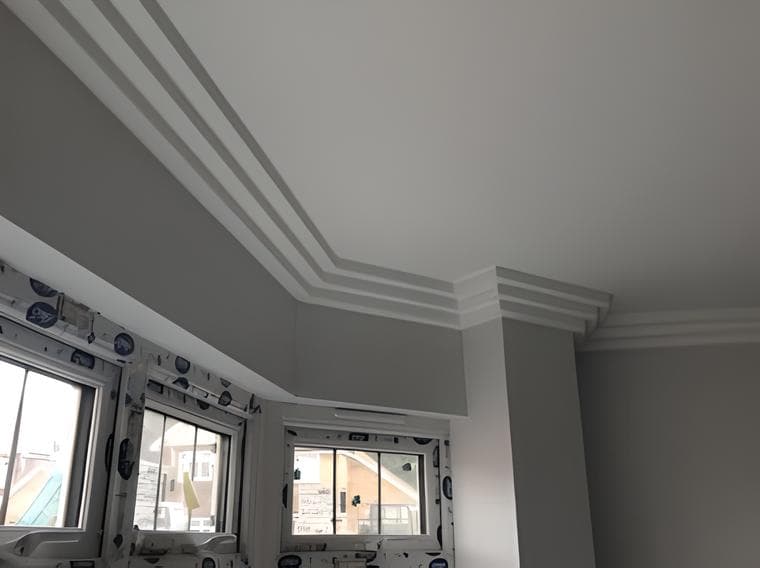
Old artex ceilings can make a room feel dated, and many homeowners are keen to get them smooth. Before anyone scrapes or skims a textured coating though, it is essential to think about safety as well as appearance.
Safety first: test for asbestos before any work
Textured coatings fitted before 2000 may contain asbestos. You cannot tell by looking, and age or condition alone is not a reliable guide. The safest approach is simple: arrange a proper asbestos test before you scrape, sand, drill or plaster over artex.
A small sample can usually be taken by a qualified surveyor or testing company, with results back in a few days. If asbestos is present, they can advise on the safest way to manage or remove it. If the test is clear, you can move ahead with much more confidence.
Until you have a test result, avoid disturbing the surface as much as possible. Do not sand or scrape high spots lightly “just to see” and do not cut into the ceiling for spotlights or fixtures.
Key steps before you touch artex
Arrange an asbestos test for any artex applied before 2000
Wait for written lab results before starting work
If asbestos is confirmed, seek specialist advice before disturbing it
If tests are clear, you can consider skimming or other options
When artex can be safely skimmed
Once you have written confirmation that your textured coating is asbestos-free, skimming with plaster is a common way to get a flat, modern finish. A plasterer will first look at the pattern, its condition and how firmly it is bonded to the ceiling.
Light or medium patterns usually skim quite well, provided the coating is sound. Heavy, sharp peaks often need more preparation, and in some cases overboarding may be a better long-term solution for ceilings.
Assessing pattern depth and condition
The deeper the pattern, the more work is needed to level it out. Very spiky finishes can trap air under new plaster, which may lead to hollows or cracking later on. A plasterer may knock off the highest spots to reduce the extremes.
They will also check for flaking, hairline cracking and any areas that sound hollow when tapped. Loose or drummy patches can lift under the weight of fresh plaster, so these sections need cutting back and repairing before any skim goes on.
Correct preparation before skimming
Good preparation is crucial to how well a skim over artex lasts. It is not simply a case of rolling a bit of PVA on and hoping for the best. The aim is to create a stable, well-bonded surface that does not pull moisture out of the plaster too quickly.
After scraping back obvious high spots, the coating is usually sealed with a suitable primer or bonding agent. This helps reduce suction and improves adhesion, especially where the existing surface is chalky or very dry.
When a bonding coat is needed
If the pattern is shallow, a straight skim of finishing plaster may be enough to hide the texture. For deeper patterns, a plasterer will often apply a bonding coat first, then skim over the top once it has set.
The bonding layer fills the troughs and levels out the peaks so the final skim can be thinner and smoother. This two-stage approach can give a better finish on ceilings that were heavily textured or uneven to begin with.
Alternatives to skimming artex ceilings
Skimming is not the only choice. In some rooms, especially where the existing ceiling is very uneven or cracked, it can be more practical to overboard or simply redecorate and live with the texture.
Overboarding with plasterboard
Overboarding means fixing new plasterboard sheets directly over the existing ceiling, then taping, jointing and skimming the new boards. This avoids disturbing the artex too much and creates a fresh, flat surface.
It can be a good option if your ceiling sags, has multiple repairs or if you want to upgrade insulation or run new cables above. The downside is a slight loss of ceiling height and the need to adjust coving, light fittings and sometimes door heads in tight spaces.
Leaving the artex in place
If tests confirm asbestos and you do not want the disruption of specialist removal or overboarding, you may choose to leave the artex as it is. Lightly cleaning, then repainting with a quality emulsion can freshen the look without disturbing the surface.
For some homes, especially where ceilings are high and the pattern is not too aggressive, this can be a sensible, low-risk compromise until you are ready for a bigger project.
Ceiling-specific pros and cons
Working over artex on ceilings has its own considerations compared with walls. Ceilings are more prone to movement and can show imperfections more clearly under certain lighting, so the standard of preparation and finish matters a great deal.
Skimming: Cost-effective, keeps existing height, but relies on the old coating staying sound.
Overboarding: Very flat and robust, good for badly cracked ceilings, but more materials and labour.
Leave and repaint: Minimal disruption and cost, yet the texture remains visible even with new paint.
Discussing these options with an experienced plasterer helps you balance budget, mess, head height and the finish you want for the room.
What to expect from a professional plastering visit
A good plasterer will start with a careful inspection of your ceilings and artex. They will ask about the age of the property, any known asbestos reports and previous leaks or repairs.
You should receive clear advice on whether to arrange an asbestos test, the preparation required, the number of coats and how long the work will take. Any internal links, such as recommendations for general plastering services, may also be provided.
Protection, drying and aftercare
Before work begins, floors, furniture and fixtures should be covered, and dust sheets or film used to protect adjacent rooms. Once the plaster is on, you will need to allow good ventilation and drying time before decorating.
Most ceilings are ready for a mist coat and paint after a week or two, depending on thickness and room conditions.
Get expert help with your artex ceilings
If you are unsure whether your artex can be skimmed, overboarded or simply left in place, professional advice is the safest route. Start with an asbestos test for any pre-2000 coatings, then plan the finish you want with a trusted plasterer.
For ceiling re-skim work and practical guidance tailored to your home, you can request a site visit from Newlook Plastering. Call 07710472650 to discuss your artex ceilings and arrange an appointment.
Other Articles


